
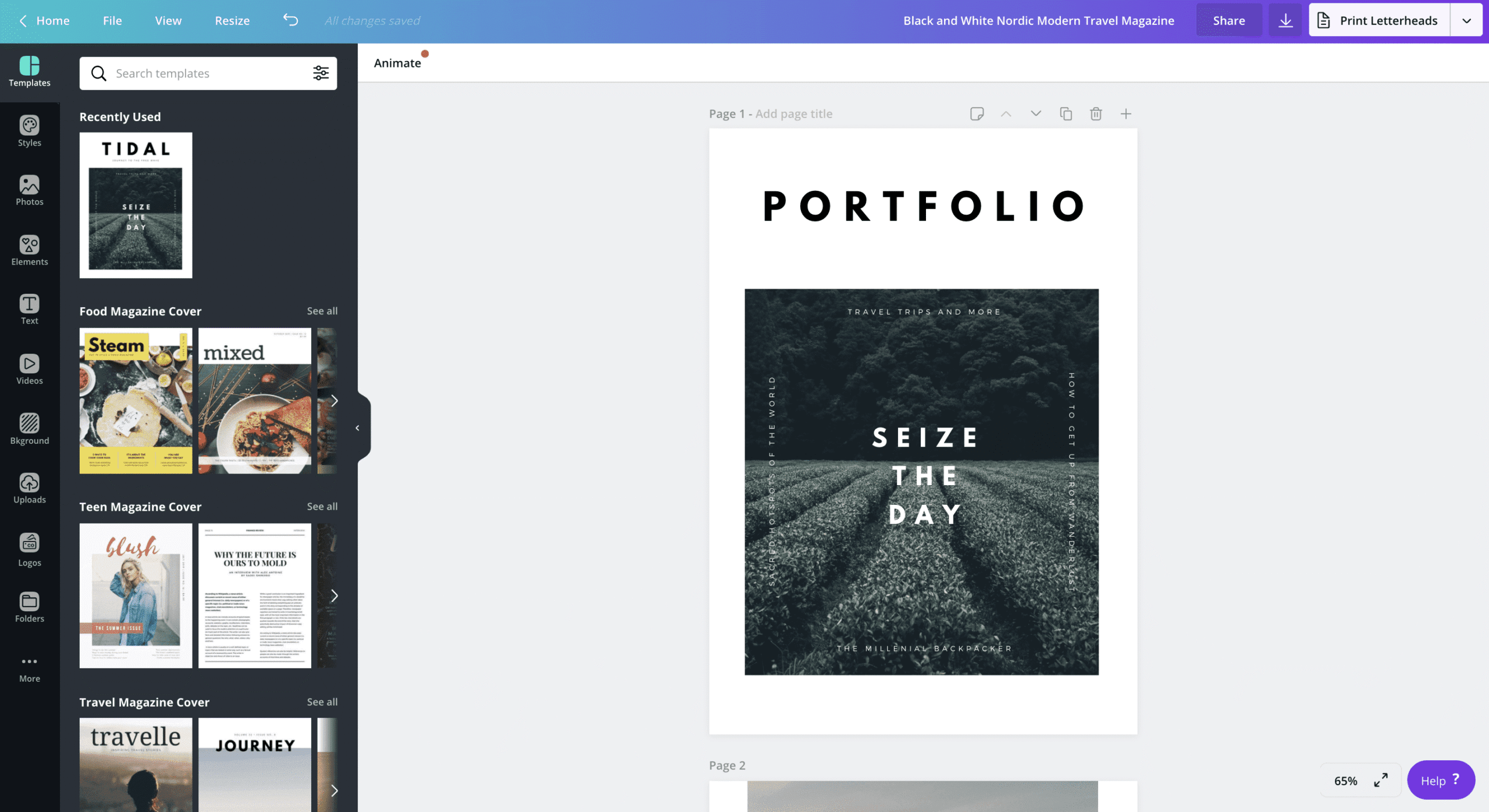
Building a professional portfolio is a crucial step for individuals looking to showcase their skills and experience to potential employers or clients. A well-crafted portfolio can help establish credibility, demonstrate expertise, and increase visibility in a competitive job market. Whether you’re a creative professional, a freelancer, or a job seeker, a strong portfolio can be a valuable tool in achieving your career goals. In this article, we’ll explore the key elements of building a effective portfolio, including how to curate content, design a compelling layout, and showcase your accomplishments in a clear and concise manner.
Creating a Strong Portfolio to Showcase Your Skills
Building a portfolio is an essential step for individuals looking to demonstrate their skills and experience to potential employers or clients. A well-crafted portfolio can help you stand out in a competitive job market and increase your chances of landing your dream job or securing new clients. In this section, we’ll explore the key elements of building a strong portfolio.
Defining Your Portfolio’s Purpose
Before you start building your portfolio, it’s essential to define its purpose. What do you want to achieve with your portfolio? Are you looking to attract new clients, or do you want to showcase your skills to potential employers? Identifying your target audience is crucial in determining the type of content to include in your portfolio. For example, if you’re a graphic designer, your portfolio may include a variety of design projects that demonstrate your creativity and technical skills.
 Investment Trends 2025
Selecting Relevant Content
Once you’ve defined your portfolio’s purpose, it’s time to select the content that will showcase your skills and experience. This may include writing samples, design projects, or coding examples. When selecting content, consider the quality and relevance of each piece. You want to showcase your best work, so be selective and only include content that demonstrates your expertise and accomplishments.
Organizing and Presenting Your Content
The way you organize and present your content is just as important as the content itself. Consider creating categories or sections to help guide the viewer through your portfolio. You can also use visual elements like images, diagrams, or infographics to make your portfolio more engaging. When presenting your content, make sure it’s easy to navigate and optimized for different devices.
| Portfolio Element | Description | Example |
|---|---|---|
| Writing Samples | Showcase your writing skills and style | Articles, blog posts, or copywriting samples |
| Design Projects | Demonstrate your design skills and creativity | Logos, brochures, or website designs |
| Coding Examples | Showcase your coding skills and problem-solving abilities | Code snippets, apps, or website development projects |
Frequently Asked Questions
What is a portfolio and why do I need one?
A portfolio showcases your skills, experience, and achievements to potential employers or clients. It demonstrates your expertise and style, helping you stand out in a competitive job market. Having a portfolio is essential for creatives, freelancers, and professionals in various fields, as it provides a tangible representation of your work and capabilities.
 Basics of Investing
What should I include in my portfolio?
Your portfolio should include a curated selection of your best work, relevant to your career goals or industry. This can comprise projects, writing samples, designs, or any other relevant content that demonstrates your skills and accomplishments. Ensure that your portfolio is concise, visually appealing, and easy to navigate, with clear descriptions and context for each piece.
How do I choose the right platform for my portfolio?
When selecting a platform for your portfolio, consider your needs, technical expertise, and desired level of customization. Options range from website builders like WordPress or Wix to specialized platforms like Behance or Dribbble. Choose a platform that is user-friendly, responsive, and aligns with your brand, allowing you to effectively showcase your work to your target audience.
How often should I update my portfolio?
Regularly updating your portfolio is crucial to keep it fresh and relevant. Add new projects, achievements, or skills as you acquire them, and remove outdated or less relevant content. Aim to review and refresh your portfolio every few months, or whenever you have significant new work to showcase, to demonstrate your growth and continued expertise.
 Types of Investments