
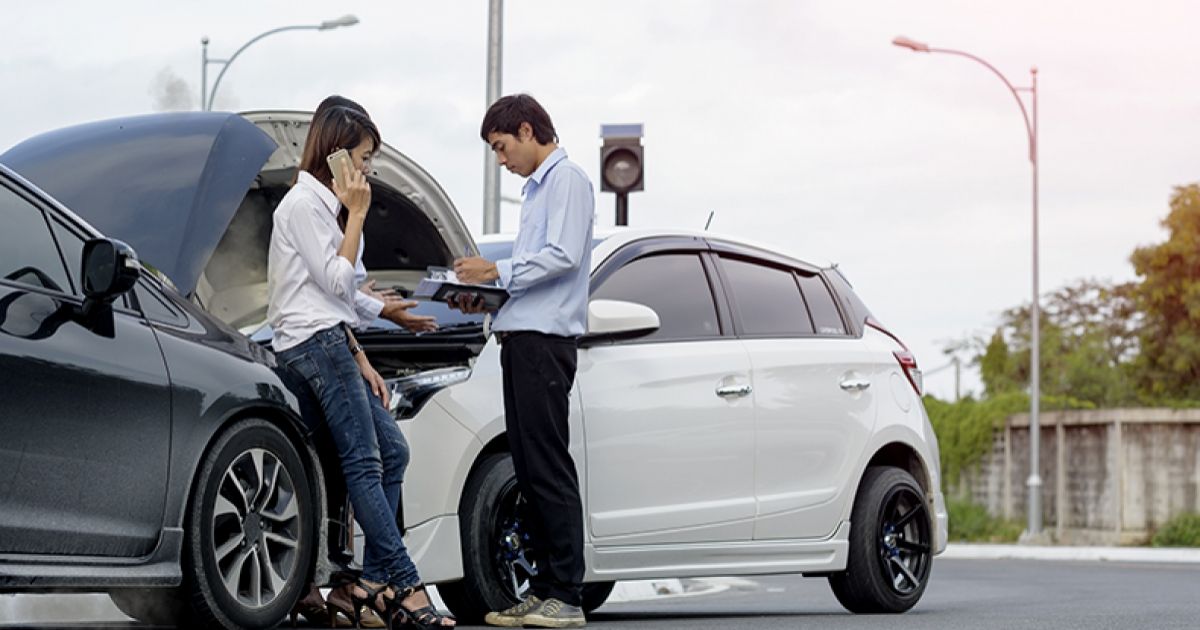
Third-party auto insurance is a mandatory coverage for drivers in many countries, designed to protect others on the road from financial losses in the event of an accident. This type of insurance policy covers damages or injuries caused to other people or their property when the policyholder is at fault. Understanding what third-party auto insurance covers is crucial for drivers to make informed decisions about their insurance needs.
The coverage typically includes bodily injury liability and property damage liability, providing financial protection against claims made by third parties. It is essential to know the specifics of this coverage to navigate the complexities of auto insurance.
What Does Third-Party Auto Insurance Cover?
Third-party auto insurance is a type of insurance coverage that is designed to protect you against financial losses in the event that you are involved in an accident that damages or injures someone else’s property or person.
 Home insurance: building and contents explained
This type of insurance is usually mandatory in most states, and it is considered to be a fundamental aspect of responsible car ownership.
Coverage for Bodily Injury
Third-party auto insurance typically includes coverage for bodily injury, which means that it will help to pay for the medical expenses of others if you are at fault in an accident. This can include costs such as hospital bills, doctor visits, and lost wages. In the event of a serious accident, bodily injury liability coverage can be a lifesaver, as it can help to protect your assets from being seized in a lawsuit.
Coverage for Property Damage
In addition to bodily injury coverage, third-party auto insurance also typically includes coverage for property damage. This means that if you are at fault in an accident and damage someone else’s vehicle or other property, your insurance will help to pay for the repairs or replacement. This can include damage to other vehicles, buildings, fences, and other types of property.
 Do pre-existing conditions affect health insurance
What is Not Covered by Third-Party Auto Insurance
It’s worth noting that third-party auto insurance does not cover damage to your own vehicle or injuries to yourself. If you want to be protected against these types of losses, you will need to purchase additional coverage, such as collision coverage or personal injury protection.
| Type of Coverage | Description |
|---|---|
| Bodily Injury Liability | Covers medical expenses and lost wages for others if you are at fault in an accident |
| Property Damage Liability | Covers damage to other people’s property, such as vehicles, buildings, and fences |
| Collision Coverage | Covers damage to your own vehicle, regardless of who is at fault in an accident |
Frequently Asked Questions
What is third-party auto insurance?
Third-party auto insurance covers damages to other people or their property in an accident. It typically includes bodily injury liability and property damage liability. This type of insurance does not cover damages to the insured’s own vehicle or injuries to the insured.
What does third-party auto insurance typically cover?
Third-party auto insurance typically covers damages to other vehicles, property, and bodily injuries to others involved in an accident. It includes coverage for medical expenses, lost wages, and other related costs for the other party. It also covers damages to other people’s property, such as buildings, fences, or other structures.
 Renewing car insurance: when and how
Does third-party auto insurance cover my own vehicle?
No, third-party auto insurance does not cover damages to the insured’s own vehicle. It is designed to cover damages to other people or their property. To cover damages to your own vehicle, you need to purchase comprehensive or collision insurance.
Is third-party auto insurance mandatory?
Yes, in most states, third-party auto insurance, also known as liability insurance, is mandatory. Drivers are required to carry a minimum amount of liability coverage to operate a vehicle legally. The specific requirements vary by state, so it’s essential to check local regulations.