

The rise of digital banking has brought numerous benefits, including increased convenience and accessibility. However, it has also introduced new risks, making it essential for individuals to adopt safe banking practices. Cyber threats, phishing scams, and identity theft are just a few of the potential dangers that can compromise financial security. By understanding and implementing effective safety measures, individuals can significantly reduce the risk of falling victim to these threats and protect their financial information. Effective safe banking practices are crucial in today’s digital age to safeguard financial assets and maintain trust in banking institutions.
Protecting Your Finances: Essential Safe Banking Practices
Safe banking practices are crucial in today’s digital age to protect your financial information and prevent unauthorized transactions. With the rise of online banking and mobile banking apps, it’s easier than ever to manage your finances, but it’s also important to be aware of the potential risks and take steps to mitigate them. By following safe banking practices, you can significantly reduce the risk of financial loss and identity theft.
Securing Your Online Banking
To secure your online banking, it’s essential to use strong and unique passwords for your banking accounts and keep them confidential. You should also enable two-factor authentication (2FA) whenever possible, which adds an extra layer of security to your account by requiring a second form of verification, such as a code sent to your phone or a biometric scan. Additionally, make sure to keep your operating system, browser, and banking apps up to date with the latest security patches.
Monitoring Your Accounts
Regularly monitoring your accounts is critical to detecting any suspicious activity. You should review your account statements regularly to ensure that all transactions are legitimate and report any discrepancies to your bank immediately. You can also set up alerts and notifications to notify you of any unusual activity, such as large transactions or login attempts from unknown devices.
Avoiding Phishing Scams
Phishing scams are a common tactic used by cybercriminals to trick victims into revealing sensitive financial information. To avoid falling victim to these scams, be cautious when receiving unsolicited emails or messages that ask for your login credentials or financial information. Never click on suspicious links or attachments, and always verify the authenticity of the request by contacting your bank directly.
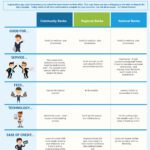 Choosing the Right Bank
| Safe Banking Practice | Description | Benefits |
|---|---|---|
| Using strong and unique passwords | Using passwords that are difficult to guess and not used across multiple accounts | Prevents unauthorized access to your accounts |
| Enabling two-factor authentication | Requiring a second form of verification in addition to your password | Adds an extra layer of security to your accounts |
| Monitoring account activity | Regularly reviewing your account statements and transaction history | Detects suspicious activity and prevents financial loss |
Securing Online Transactions
Online banking has made it easier to manage finances, but it also increases the risk of cyber attacks and identity theft. To mitigate these risks, it’s essential to adopt safe banking practices that protect your personal and financial information.
Using Strong Passwords
Using strong passwords is crucial to prevent unauthorized access to your online banking accounts. A strong password should be a combination of uppercase and lowercase letters, numbers, and special characters, making it difficult for hackers to guess or crack using brute-force attacks.
Monitoring Account Activity
Regularly monitoring account activity helps detect suspicious transactions and prevents financial losses. You should check your account statements regularly and report any discrepancies to your bank immediately.
Avoiding Phishing Scams
Phishing scams are a common tactic used by hackers to steal sensitive information. To avoid falling victim, be cautious when clicking on links or providing personal information online, and never respond to emails or messages that ask for sensitive information.
Keeping Software Up-to-Date
Keeping your banking software and operating system up-to-date is vital to ensure you have the latest security patches and anti-virus protection. This helps protect your device from malware and other online threats.
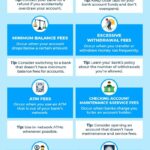 Understanding Bank Fees
Using Two-Factor Authentication
Using two-factor authentication adds an extra layer of security to your online banking accounts. This requires you to provide a second form of verification, such as a one-time password or fingerprint, in addition to your password, making it more difficult for hackers to gain access.
Frequently Asked Questions
What are the basic safe banking practices I should follow?
You should always keep your account information confidential, use strong and unique passwords, and monitor your accounts regularly for suspicious transactions. It’s also essential to be cautious when using public Wi-Fi or computers to access your accounts. Regularly update your passwords and use two-factor authentication when available to add an extra layer of security to your banking activities.
How can I protect myself from phishing scams?
Be wary of emails, calls, or messages that ask for your personal or financial information. Legitimate banks will never ask you to provide sensitive information via unsecured channels. Verify the authenticity of the request by contacting your bank directly through a secure channel. Avoid clicking on suspicious links or providing information on unsecured websites to prevent falling victim to phishing scams.
What should I do if I suspect unauthorized transactions on my account?
Immediately contact your bank’s customer service or security department to report the suspicious transactions. They will guide you through the process of securing your account and investigating the issue. You may also need to review your account statements and transaction history to identify any other potential unauthorized activities and take steps to prevent future incidents.
How often should I review my account statements and transaction history?
Regularly reviewing your account statements and transaction history is crucial to detecting any suspicious or unauthorized activities. It’s recommended to check your accounts at least once a week, or more frequently if you notice any unusual activity. This helps you identify potential issues early and take prompt action to secure your accounts and prevent further unauthorized transactions.
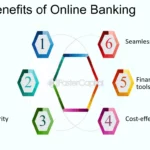 Benefits of Online Banking